Braces

In today’s fast-paced world, a confident smile is more than a cosmetic goal—it’s a key part of personal and professional success. Dental braces have transformed modern orthodontics, offering effective solutions to correct misaligned teeth, bite problems, and jaw alignment issues.
Whether you’re dealing with crooked teeth, protrusions, or bite concerns such as overjet or open bite, understanding how modern dental braces work can help you make an informed decision about your oral health.
This guide explores the types of dental braces, their benefits, costs, and why Saigon (Ho Chi Minh City) is becoming one of Southeast Asia’s most trusted destinations for high-quality orthodontic treatment.
Why Dental Braces Matter: Beyond Aesthetics
Starting your orthodontic journey isn’t just about improving appearance—it’s about enhancing oral function, confidence, and long-term dental health.
Innovations like clear aligners, ceramic braces, and self-ligating systems have made treatments more comfortable, discreet, and efficient than ever.
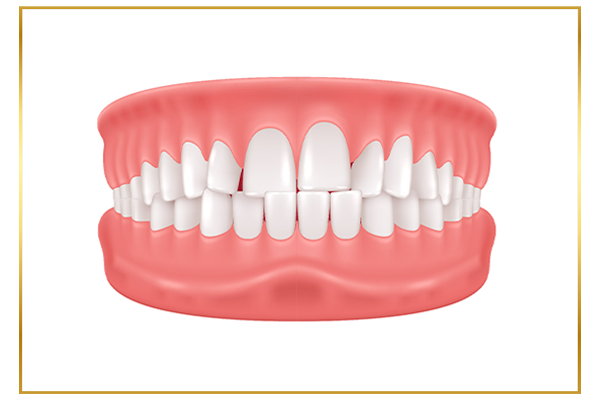
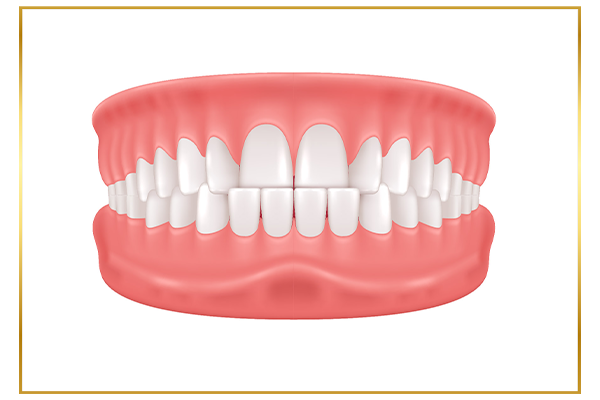
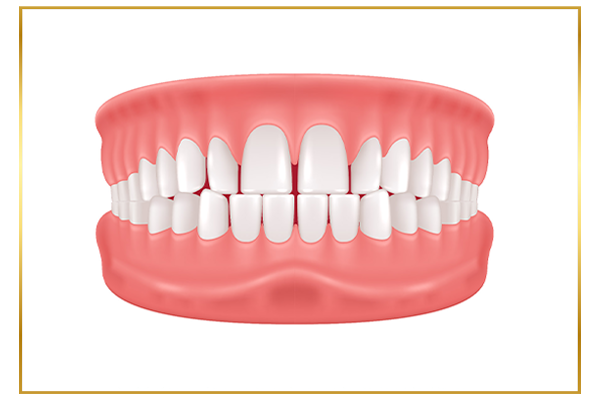
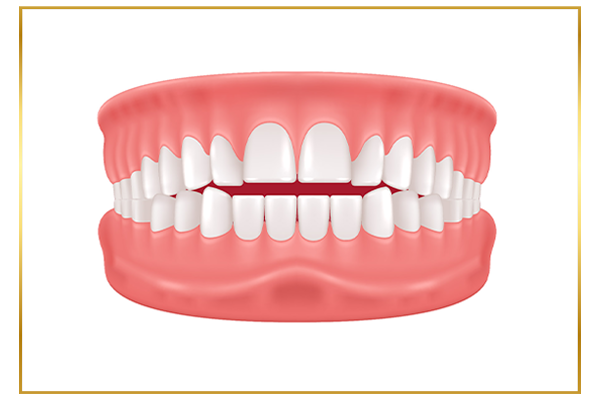
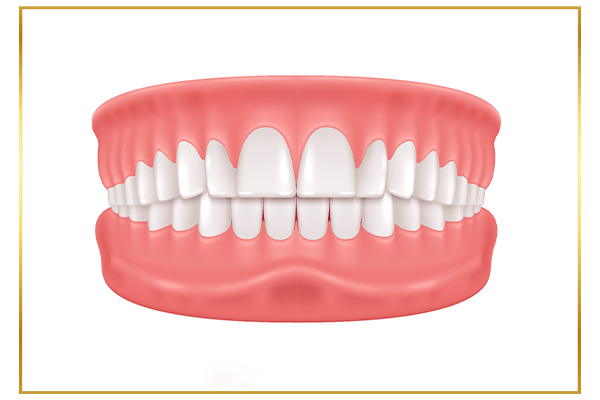
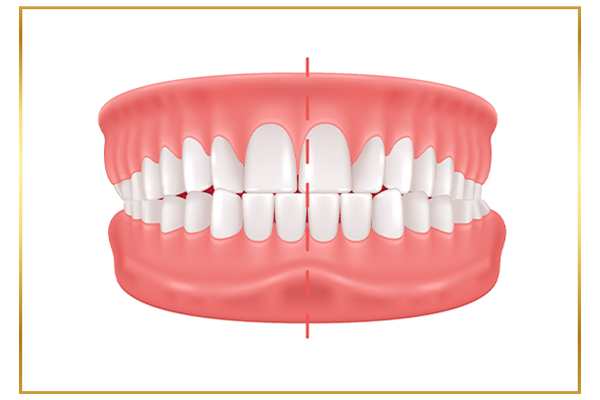
Modern orthodontics in Vietnam combines advanced technology with the expertise of experienced specialists—particularly in Ho Chi Minh City, where clinics integrate world-class care with affordability and hospitality.
Understanding Dental Braces: From Traditional to Modern Options
Dental braces have evolved from basic metal wires to sophisticated, comfortable, and aesthetic solutions. At their core, braces apply gentle, continuous pressure to guide teeth into proper alignment—improving both function and appearance.
Common Types of Braces
- Traditional Metal Braces – The classic, durable choice for all ages.
- Ceramic Braces – Tooth-colored and more discreet, blending naturally with enamel.
- Clear Aligners (e.g., Invisalign) – Virtually invisible, removable trays perfect for adults and teens.
- Self-Ligating Braces – Advanced brackets that reduce friction and shorten treatment time.
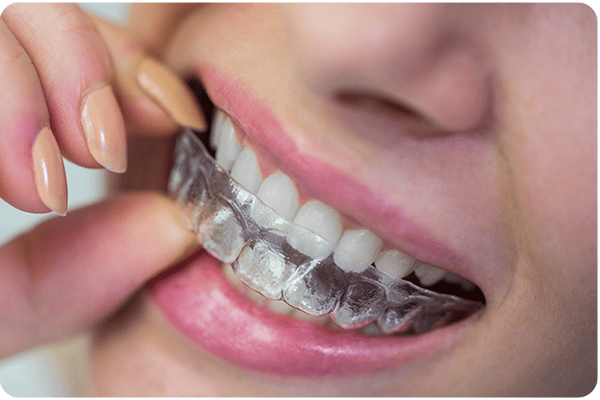
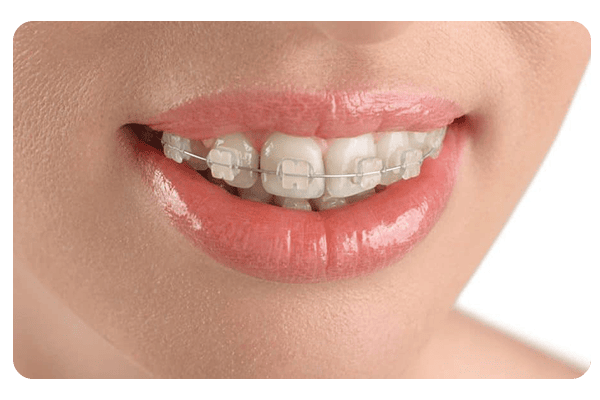
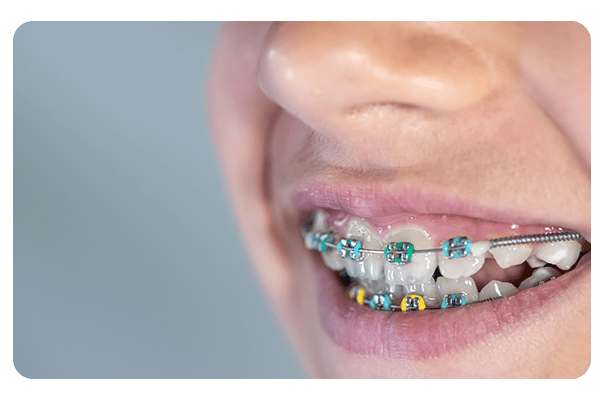
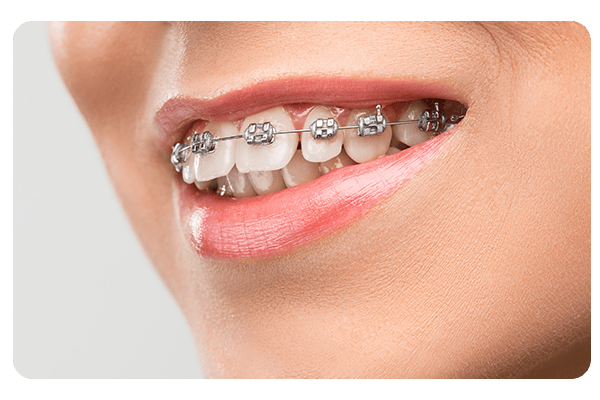
Modern orthodontics also incorporates 3D imaging and CAD design for precision planning. For instance, Invisalign uses custom clear aligners tailored for each stage of movement, while ceramic braces deliver the same strength as metal braces with enhanced aesthetics.
The Importance of Early Intervention
Beginning treatment at a younger age can lead to quicker, more effective results and reduced costs. Self-ligating brackets and lightweight materials also minimize discomfort and require fewer adjustments—making orthodontic care faster and more convenient.
Key Considerations: Cost, Comfort, and Duration
Many patients hesitate to begin orthodontic treatment due to concerns about cost, time, and discomfort. However, modern braces are more affordable and comfortable than ever—especially in Saigon, where world-class care comes at a fraction of Western prices.
Average Costs in Vietnam Dental Clinic
This is our cost at Vietnam Dental Clinic ,you can take a look:
| ORTHODONTICS (BRACES) | NOTE (USD) | PRICE IN USD | PRICE IN AUD |
| Metal braces | Depending on case | 1,200 – 2,400 | 1,875 – 3,750 |
| Ceramic braces | Depending on case | 1,600 – 3,200 | 2,500 – 5,000 |
| Invisalign (clear aligners) | Depending on case | 4,000 – 6,000 | 6,250 – 9,375 |
| Self-ligating bracket system +30% | |||
Treatment prices vary depending on the case’s complexity, materials used, and clinic reputation.
Comfort and Treatment Duration
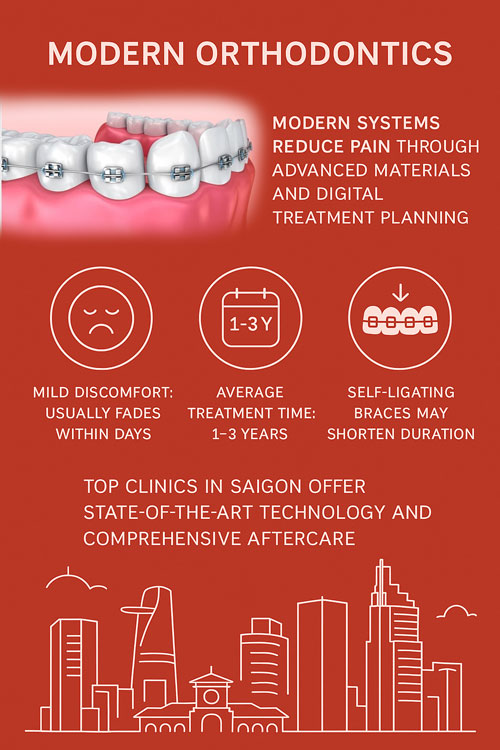
Modern orthodontic systems reduce pain through advanced materials and digital treatment planning.
- Mild discomfort may occur after adjustments, but it typically fades within days.
- Average treatment time: 1–3 years, depending on individual needs.
- Self-ligating braces may shorten treatment duration due to fewer adjustments required.
Top clinics in Saigon provide state-of-the-art technology, transparent pricing, and comprehensive aftercare, ensuring your smile journey is smooth, comfortable, and worry-free.
Completing orthodontic treatment is only part of the journey. Maintaining results with retainers and regular check-ups ensures your new smile lasts for life.
Most clinics provide detailed aftercare instructions, follow-up appointments, and warranties for added peace of mind—reinforcing Saigon’s commitment to excellence and long-term satisfaction.
Conclusion: Your Path to a Perfect Smile
Modern orthodontics has turned dental braces into comfortable, aesthetic, and highly effective tools for smile transformation.
Whether you choose metal, ceramic, or Invisalign, today’s orthodontic technology ensures faster, safer, and more precise outcomes. With its blend of expertise, affordability, and world-class facilities, Saigon stands as one of the best destinations for anyone seeking professional orthodontic treatment.
Your journey to a confident, radiant smile starts here—guided by expert care, modern innovation, and the promise of lifelong results.
Frequently Asked Question
1. What are dental braces?
Dental braces are orthodontic devices used to correct misaligned teeth, crowded teeth, and bite problems such as overbite, underbite, or crossbite. They gradually move teeth into proper alignment using gentle, continuous pressure.
2. Who needs braces?
Braces are recommended for both children and adults who have crooked, crowded, or spaced teeth, or bite issues that affect chewing, speaking, or facial balance. A consultation with an orthodontist can determine if braces are necessary.
3. What types of braces are available?
There are several options:
- Metal braces: Traditional and durable stainless steel brackets.
- Ceramic braces: Tooth-colored brackets for a more aesthetic look.
- Self-ligating braces: Require fewer adjustments and offer more comfort.
- Lingual braces: Placed behind the teeth for a hidden appearance.
Clear aligners (e.g., Invisalign): Removable and nearly invisible plastic trays.
4. How long does orthodontic treatment take?
The treatment duration varies depending on each patient’s condition, but typically ranges from 12 to 36 months. Factors include age, the complexity of alignment, and patient cooperation with instructions.
5. Do braces hurt?
Mild discomfort is common during the first few days after getting braces or following adjustments. However, this usually subsides as your mouth adapts. Over-the-counter pain relievers can help ease the soreness.
6. How often will I need to visit the orthodontist?
Most patients visit the orthodontist every 4 to 8 weeks for adjustments and progress checks. Regular visits ensure that your teeth are moving as planned and that the braces remain in good condition.
7. What foods should I avoid while wearing braces?
Avoid sticky, hard, or chewy foods that may damage brackets and wires—such as gum, caramel, nuts, popcorn, and hard candies. It’s best to stick to softer foods and cut larger items into smaller pieces.
8. How do I clean my teeth with braces?
Use a soft-bristled toothbrush, interdental brushes, and floss threaders to clean around brackets and wires. Rinse with fluoride mouthwash daily to prevent cavities and white spots.
9. Can adults get braces?
Yes! Orthodontic treatment is effective at any age. Many adults choose clear braces or aligners for a more discreet appearance while achieving excellent results.
10. What happens after braces are removed?
After braces are taken off, you’ll need to wear a retainer to maintain your new smile. Retainers prevent teeth from shifting back to their previous positions and are usually worn at night.
11. How much do dental braces cost?
Costs vary depending on the type of braces, treatment duration, and location. On average, traditional braces range from $1,500 to $5,000, while clear aligners may range from $2,000 to $6,000. Your orthodontist will provide a detailed quote after consultation.
12. Are there alternatives to braces?
Yes. For mild alignment issues, clear aligners or cosmetic contouring may be suitable. However, only a professional evaluation can determine the best solution for your case.