Dental Implants

Dental Implant Placement (Implant Surgery) is one of the most advanced and modern tooth restoration solutions available today, highly regarded for its effectiveness in replacing missing teeth. This method helps restore both chewing function and aesthetics—giving you a smile that looks, feels, and functions like natural teeth.
So, what exactly is the implant process, and how much does it cost?
In this comprehensive guide, Vietnam Dental Clinic will walk you through everything you need to know about dental implants — from the basic definition and structure of an implant to the step-by-step procedure, cost overview, advantages and disadvantages, and essential aftercare tips.
Whether you’ve lost a single tooth, multiple teeth, or are looking for a full-mouth restoration, this article will help you understand what to expect and how to best prepare for your upcoming dental implant journey with confidence.
Serious Consequences of Long-Term Tooth Loss
Losing teeth and leaving the gaps untreated for a long time can lead to serious consequences — not only affecting your oral health but also your facial appearance and overall well-being. Below are the key reasons why you should consider dental implant restoration as early as possible:
1. Jawbone Loss
This is the most severe consequence of tooth loss. When a tooth is missing, the jawbone in that area no longer receives stimulation from the tooth root, causing gradual bone resorption. Over time, the gums recede, and the facial structure begins to change. In advanced cases, this makes future implant placement much more difficult and complicated.
2. Facial Sagging and Premature Aging
Missing teeth—especially multiple teeth—can cause the cheeks to sink in, the lips to collapse inward, and the jawline to distort. This leads to a prematurely aged appearance, diminishing facial harmony, and self-confidence. Many people notice that they look years older simply because of untreated tooth loss.
3. Shifting and Misalignment of Teeth
When there are gaps in your smile, the remaining teeth tend to drift or tilt into the empty spaces. This movement disrupts your bite alignment, making chewing less efficient and oral hygiene more difficult. Misaligned teeth also increase the risk of gum disease, plaque buildup, and tooth decay over time.
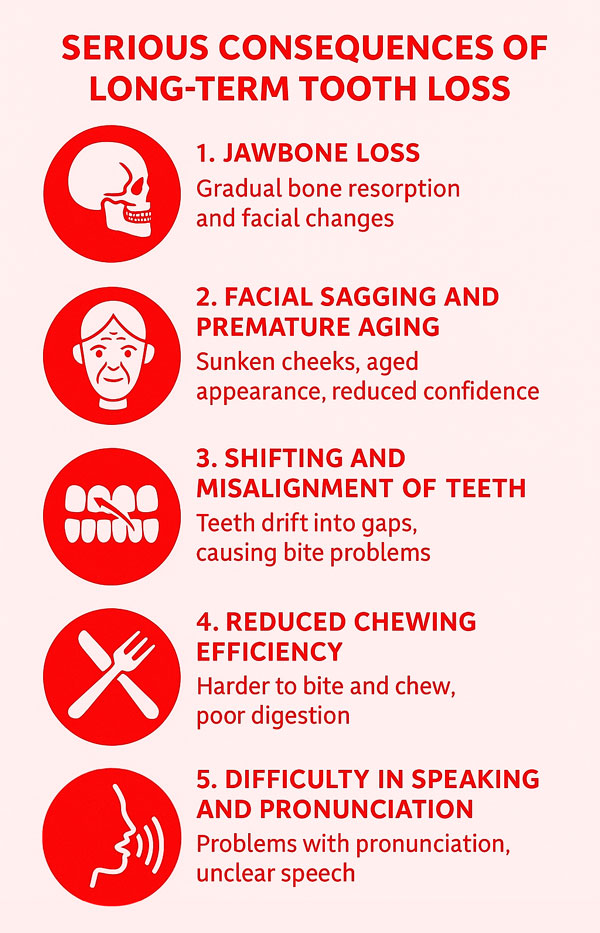
4. Reduced Chewing Efficiency
Tooth loss makes it harder to bite and chew properly, especially when eating tough or crunchy foods. Over time, this limits your food choices and affects digestion and nutrition. Inadequate chewing may lead to gastrointestinal problems and poor nutrient absorption, impacting your overall health.
5. Difficulty in Speaking and Pronunciation
Missing teeth—especially the front ones—can interfere with pronunciation and make certain sounds harder to articulate. This can cause slurred or unclear speech, affecting daily communication, social confidence, and even professional interactions.
In summary, long-term tooth loss affects far more than just your smile. It alters facial aesthetics, weakens bone structure, reduces chewing function, and can even impact your confidence and quality of life.
The best solution is to restore missing teeth with dental implants as soon as possible, helping you preserve bone health, maintain a youthful appearance, and enjoy full oral function again.
Advantages and Disadvantages of Dental Implants
Dental implants are considered one of the most remarkable advancements in restorative dentistry, offering outstanding benefits compared to traditional tooth replacement methods. However, like any medical procedure, they also come with certain limitations that should be carefully evaluated before treatment.
1. Advantages
Exceptional success rate, clinically proven: According to multiple scientific studies, dental implants have an impressive success rate of up to 98% after 10 years. This makes them one of the most reliable and predictable procedures in modern dentistry.
Restores natural chewing function almost completely: Implant posts are surgically placed directly into the jawbone, acting as artificial tooth roots. This provides exceptional stability and strength, allowing you to chew comfortably on all types of food—including hard and chewy textures—with biting efficiency reaching 90–99% of that of natural teeth.
Preserves natural teeth and protects adjacent ones: Unlike dental bridges that require filing down neighboring teeth, implants are independently anchored into the jawbone. This helps maintain the integrity of surrounding natural teeth, reducing long-term risks such as tooth loss or enamel damage.
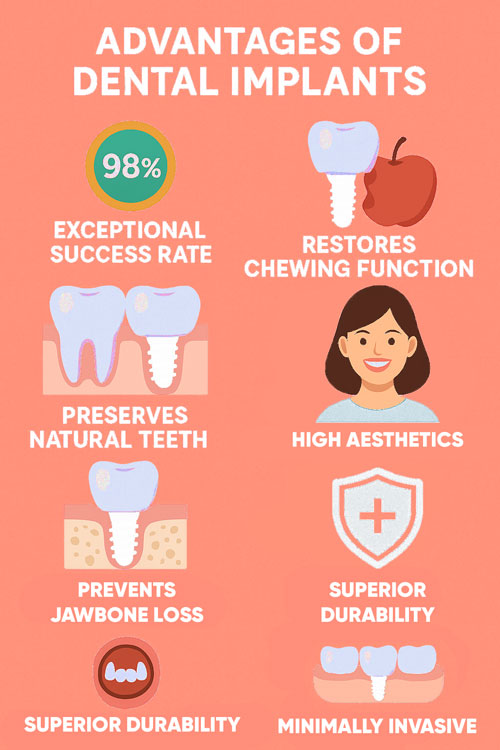
Prevents jawbone loss and facial sagging: The implant acts like a real tooth root, constantly stimulating the jawbone and maintaining its density. This prevents bone resorption, supports facial structure, and helps delay signs of aging that often occur after tooth loss.
High aesthetics and natural appearance: Implant crowns are custom-designed to match the shape, color, and translucency of your natural teeth, making them virtually indistinguishable. The gums attach seamlessly to the crown, creating a realistic and harmonious smile that enhances confidence in everyday life.
Long-lasting results and superior durability: Made from biocompatible titanium, dental implants can last 20 years or more. With proper oral hygiene and regular checkups, they can even last a lifetime—offering one of the most sustainable solutions for tooth replacement.
Minimally invasive and cost-effective for full-mouth cases: Advanced techniques like All-on-4 or All-on-6 dental implants allow a full arch of teeth to be supported by just 4 or 6 implants. This approach reduces surgery time, minimizes tissue trauma, accelerates healing, and significantly lowers overall costs compared to placing individual implants for every missing tooth.

2. Disadvantages and Risks
Higher initial cost: Compared to other restorative options such as bridges or removable dentures, dental implants require a larger upfront investment. This is due to the complexity of the procedure, the cost of materials, and the need for advanced technology and skilled professionals.
Longer treatment timeline: The implant process typically takes 3 to 6 months, as the post needs time to fully integrate with the jawbone (a process called osseointegration) before the final crown can be attached.
Not suitable for everyone: Certain individuals—such as those with poor bone density, uncontrolled diabetes, or severe health conditions—may not be ideal candidates for implants. A thorough medical and dental evaluation is essential before proceeding.
Potential risks and complications: Although rare, complications can occur, including infection at the implant site, nerve or sinus injury, loose screws, or fractured ceramic crowns. Choosing an experienced implant specialist and following post-surgery care guidelines significantly reduces these risks.
Suitable Candidates and Contraindications for Dental Implants
Dental implant placement is considered one of the most advanced and effective solutions for tooth loss. However, not everyone is an ideal candidate for this procedure. Below are the clear indications and contraindications for dental implant treatment.
1. Suitable Candidates
Dental implants are recommended for:
- Individuals who have lost one, several, or all of their teeth.
- People who have experienced tooth loss for a long time may already have jawbone resorption.
- Adults aged 18 years or older, whose jawbone has fully developed and stabilized.
- Those with severely damaged or decayed teeth or advanced periodontitis cannot be restored through other dental treatments.
- Patients who previously had dentures or bridges that are now damaged, unstable, or uncomfortable.
2. Contraindications (Who Should Avoid Dental Implants)
Dental implants may not be suitable for:
- Individuals under 18 years old whose jawbones are still developing.
- Pregnant women, as the procedure may pose unnecessary stress or risk.
- Patients with severe bone loss, insufficient bone density, or inadequate bone thickness to support implants.
- Individuals suffering from untreated gum disease or active oral infections.
- People with uncontrolled chronic or systemic conditions such as diabetes, cardiovascular disease, high blood pressure, osteoporosis, or cancer.
- Smokers, as smoking can significantly reduce healing ability and increase the risk of implant failure.
Dental implants can bring long-lasting, natural-looking results — but a thorough health assessment is essential before proceeding. Your dentist will evaluate bone structure, oral condition, and overall health to determine whether implant treatment is right for you.
Dental Implant Cost in Vietnam
The cost of dental implants is one of the most important factors patients consider when restoring their smile. In Vietnam, implant prices typically range from ₫16,500,000 – ₫34,000,000 per tooth (≈ US $660 – US $1,360), depending on several factors such as the implant brand, number of missing teeth, and the dental clinic you choose.
At Vietnam Dental Clinic, the cost of a single implant is:
| SINGLE-TOOTH IMPLANTS | PRICE IN USD | PRICE IN AUD |
| Premium Korean implant (Dentium) |
900 800 |
1,375 1,250 |
| US implant (Superline) |
1,250 1,000 |
2,062 1,560 |
| Italian implant (JD Dental) |
1,350 1,080 |
2,125 1,688 |
| France/Switzerland (Kontact / Neodent) |
1,350 1,080 |
2,125 1,688 |
| Super Active (Nobel/Straumann) |
1,750 1,400 |
2,812 2,188 |
| Titanium-porcelain restoration | 160 | 250 |
| Full Zirconia CAD/CAM Crown on Implant | 320 | 500 |
For full-mouth dental implants, also known as All-on-4 or All-on-6 restorations, the cost ranges from ₫100,000,000 – ₫260,000,000 per arch (≈ US $4,500 – US $10,000).
At Vietnam Dental Clinic, implant prices are all-inclusive, meaning there are no hidden fees. You can view the detailed price list directly at the clinic or on their official website.
What Determines the Cost of Dental Implants?
Several key factors influence how much you’ll pay for a dental implant in Vietnam:
Type and Origin of the Implant Fixture
Implants from top-tier brands—such as those made in Switzerland or Sweden—usually cost more due to their superior quality, long-term durability, and excellent bone integration.
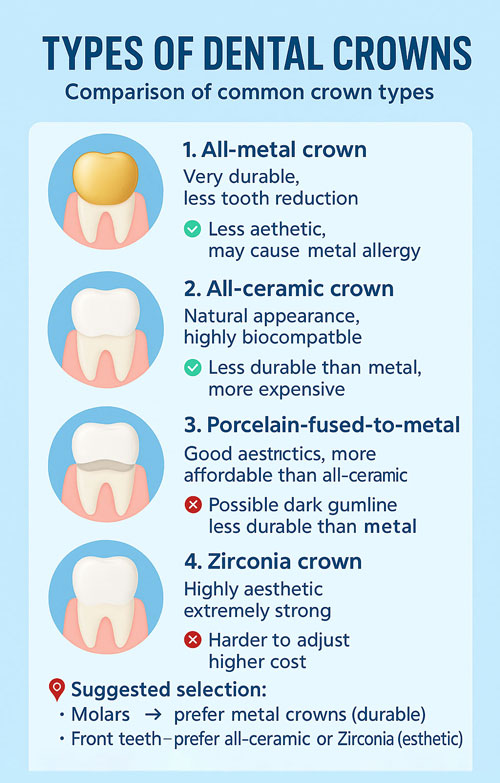
Type of Dental Crown: Premium crowns like multi-layer Hi-Zirconia are more expensive than standard porcelain due to their natural aesthetics and strength.
Condition of the Jawbone and Number of Missing Teeth: Patients who have significant bone loss or multiple missing teeth may require additional procedures such as bone grafting or sinus lifting, which increase the total treatment cost.
Expertise of the Dentist and Clinic Facilities: Dental clinics with highly skilled implant specialists and modern equipment tend to charge more—but they also provide safer, faster, and more predictable results.
Promotional Policies and Warranty Programs: Each clinic offers its own discounts, warranties, and payment plans, so comparing these options can make a noticeable difference in your overall investment.
Additional Costs (if applicable): Beyond the standard package—which includes the implant fixture, abutment, and crown—you may also incur extra charges for tooth extraction, bone grafting, or sinus lift surgery, if necessary.
Dental implants in Vietnam offer an outstanding balance between quality and affordability, especially compared to Western countries. With internationally certified materials, experienced dentists, and competitive pricing, Vietnam has become a trusted destination for patients seeking high-quality dental implant treatments at reasonable costs.
Key Success Factors and Important Precautions
The success of a dental implant procedure depends on several crucial factors and requires thorough preparation and post-treatment care from both the patient and the dentist.
Key Factors Determining the Success of Dental Implant Surgery
The success of dental implant surgery is determined by a combination of factors, which can be broadly categorized into patient-related, surgical/implant-related, and maintenance-related factors.
1. Dentist’s skills, experience, and expertise
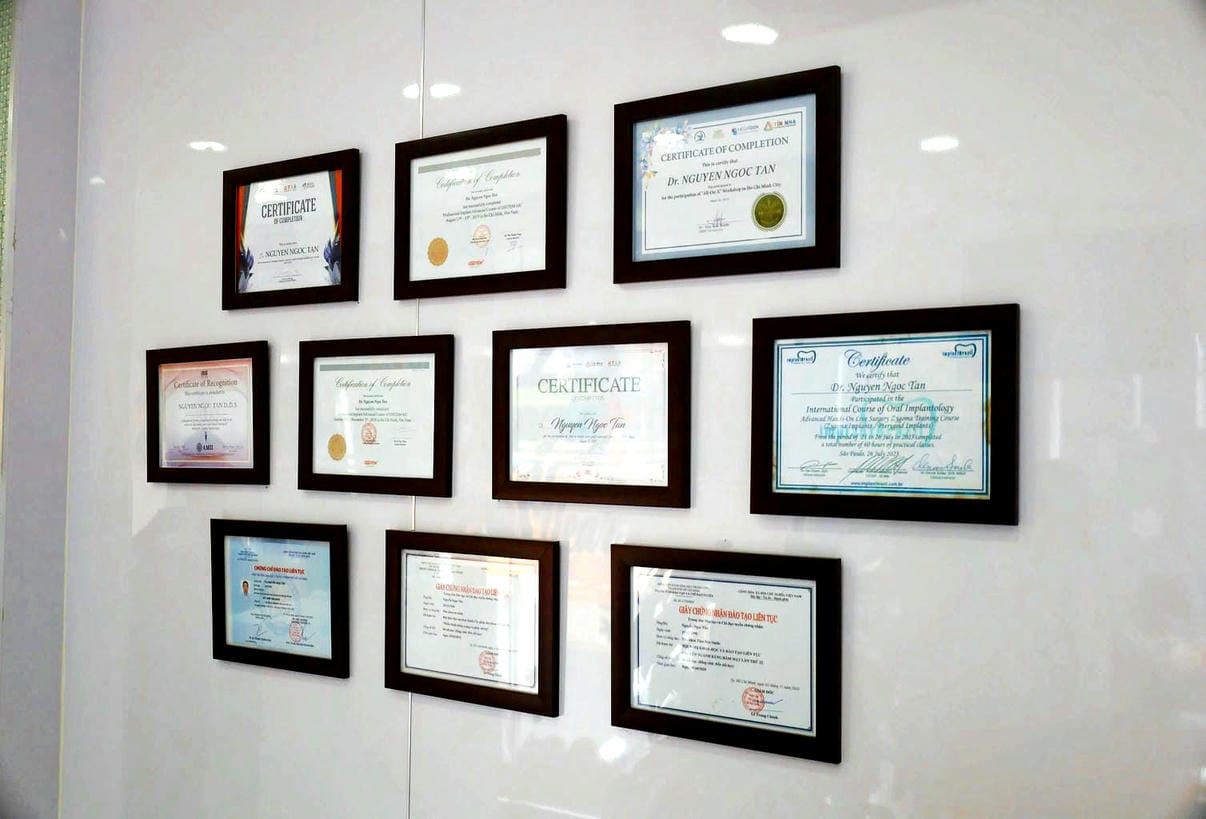
This is the most critical factor influencing the overall success of the treatment. A highly trained and experienced dentist ensures accurate treatment planning, precise surgical technique, and timely management of any complications.
2. Modern facilities, technology, and equipment
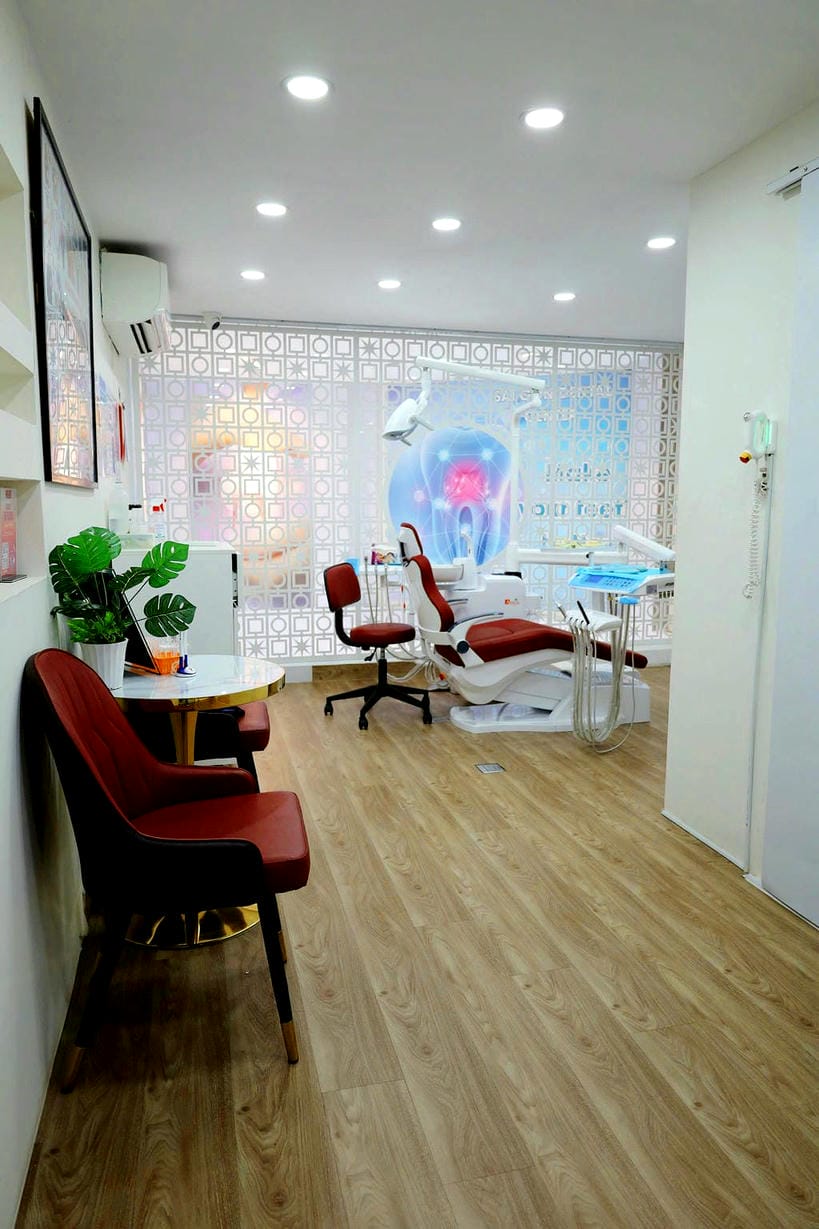
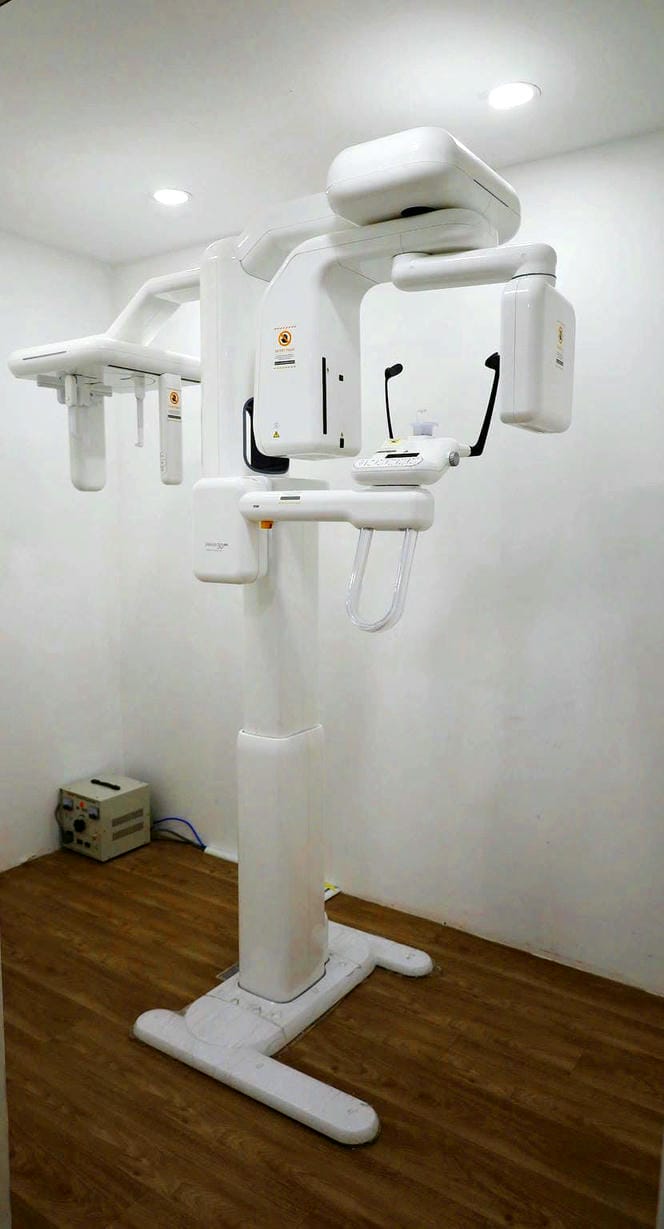
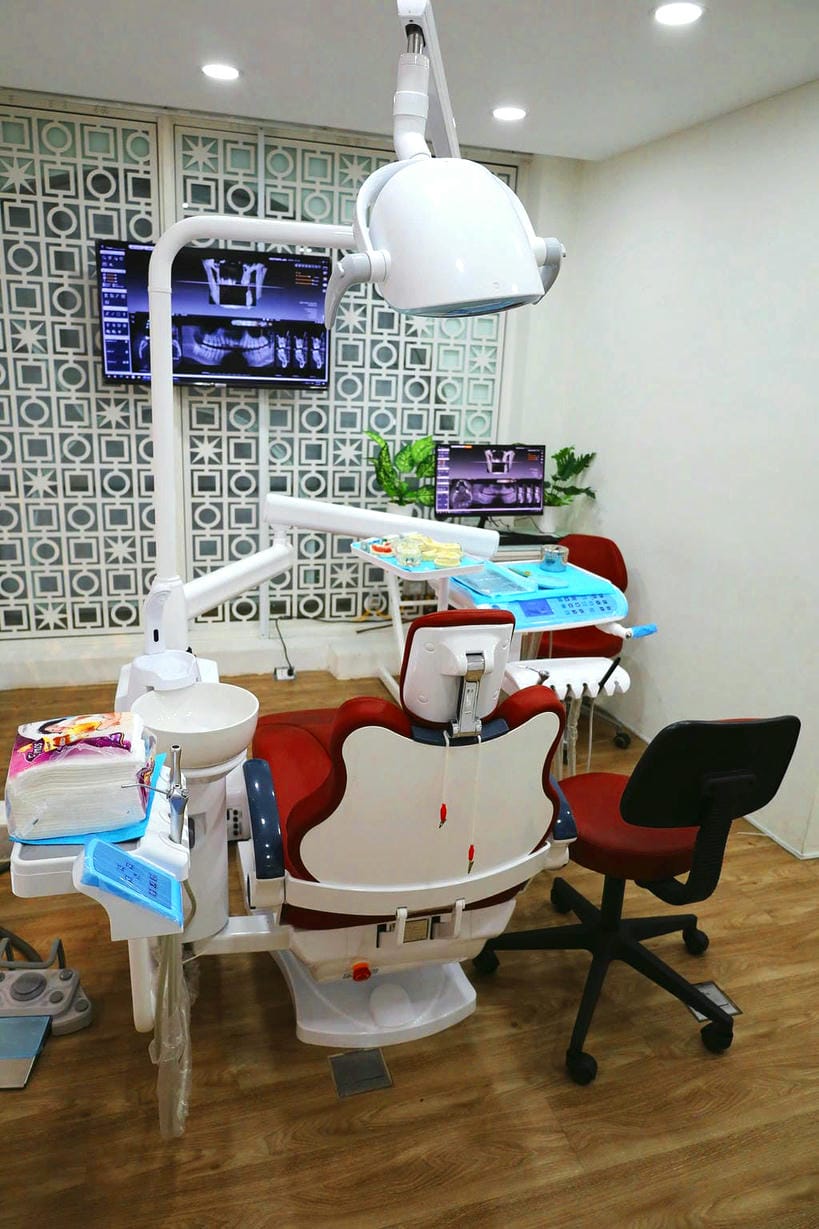
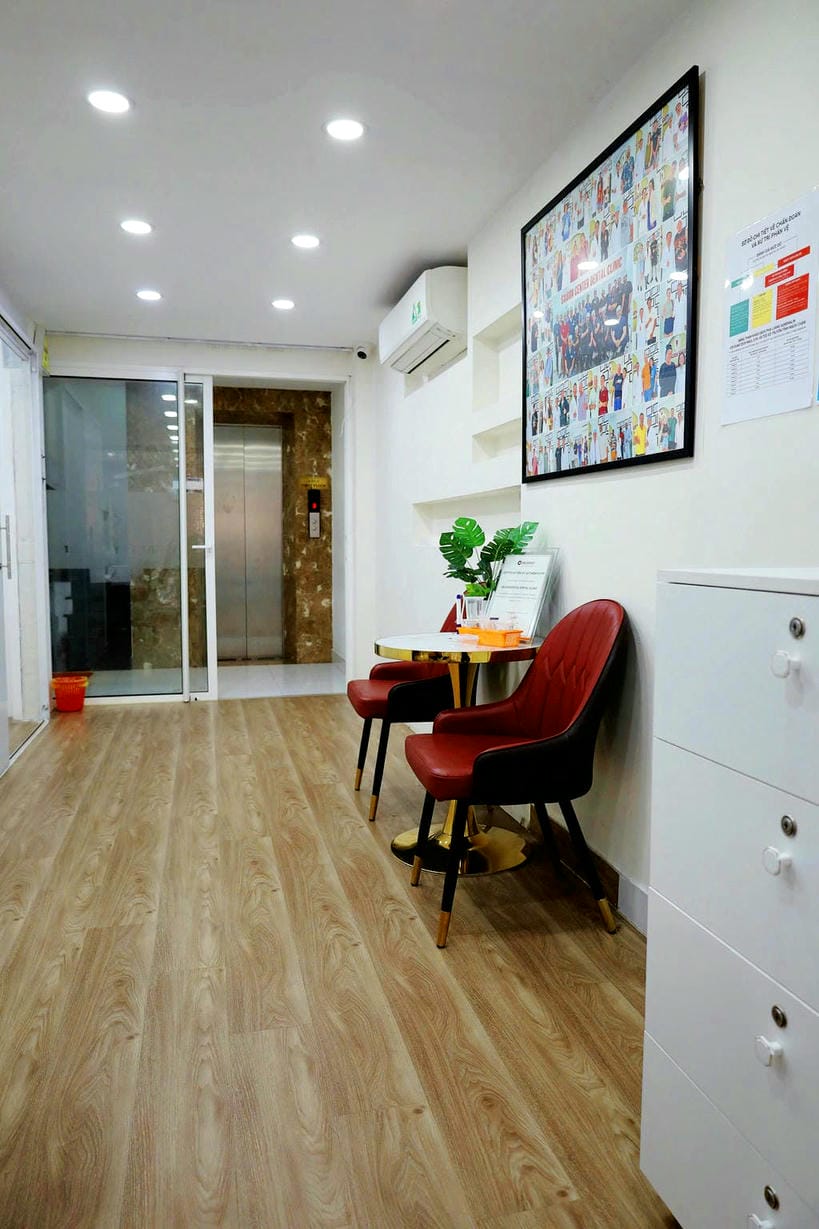
Advanced technology, such as 3D CT Cone Beam X-rays and X-Guide navigation system, enables precise diagnosis and accurate implant placement. These tools minimize invasiveness, reduce healing time, and maintain strict sterilization standards for patient safety.




3. Genuine, high-quality materials
Using authentic implant posts, abutments, and porcelain crowns from reputable manufacturers is essential. These components must have excellent biocompatibility, proven safety, and a verified origin to ensure long-term durability and prevent complications such as infections or implant failure.
Pre- and Post-Treatment Care Instructions
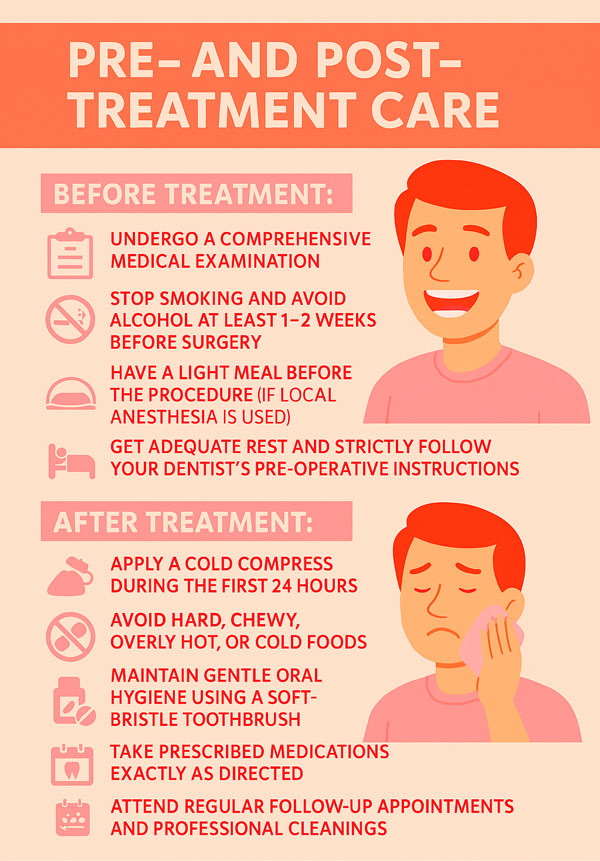
Before treatment:
- Undergo a comprehensive medical examination.
- Stop smoking and avoid alcohol for at least 1–2 weeks before surgery.
- Have a light meal before the procedure (if local anesthesia is used).
- Get adequate rest and strictly follow your dentist’s pre-operative instructions.
After treatment:
- Apply a cold compress during the first 24 hours to reduce swelling.
- Avoid hard, chewy, overly hot, or cold foods.
- Maintain gentle oral hygiene using a soft-bristle toothbrush.
- Take prescribed medications exactly as directed.
- Attend regular follow-up appointments and professional cleanings to ensure the implant’s longevity.
Warning Signs of Possible Complications — Contact Your Dentist Immediately If:
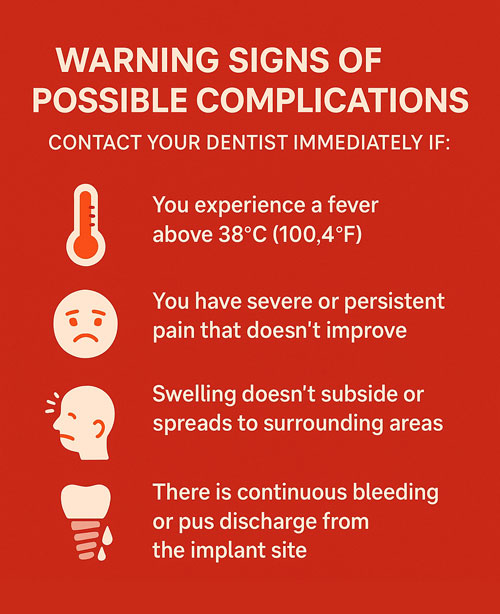
- You experience a fever above 38°C (100.4°F).
- You have severe or persistent pain that doesn’t improve.
- Swelling doesn’t subside or spread to surrounding areas.
- There is continuous bleeding or pus discharge from the implant site.
In Vietnam, a standard dental implant typically costs around 18,000,000–25,000,000 VND per implant, which is approximately $700–$1,000 USD — significantly more affordable than in Western countries (where similar procedures often range from $3,000–$5,000 USD per implant).
Comparing Dental Implants with Other Tooth Restoration Methods
To make an informed decision about restoring missing teeth, it’s important to understand the differences between dental implants, dental bridges, and removable dentures. Each method has its own strengths and limitations in terms of function, aesthetics, durability, and cost. Below is a detailed comparison to help you choose the best option for your needs.
| Feature | Removable Dentures | Dental Bridges | Dental Implants |
| Best for | – Elderly individuals
– Weak jawbone structure – Limited budget |
– Missing a single tooth
– Missing a few adjacent teeth (not suitable for molar No.7) |
– Suitable for almost all cases of tooth loss |
| Bone Preservation | Causes bone loss and gum shrinkage over time |
– May lead to jawbone resorption – Requires grinding adjacent teeth |
Prevents bone loss and preserves natural teeth |
| Aesthetic Result | Low – easily noticeable as artificial | Good – looks more natural than dentures | Excellent – looks and feels just like natural teeth |
| Chewing Ability | Weak – difficult to chew hard food | Fair – can chew soft or moderate food | Excellent – allows comfortable eating with no restrictions |
| Treatment Duration | 5 – 7 days | 3 – 4 days | 2 – 6 months (depending on healing time) |
| Longevity | 3 – 5 years | 5 – 7 years | 20 – 25 years or more with proper care |
| Maintenance | Easy to remove and clean daily | Difficult to clean under the bridge; food often gets trapped | Easy to maintain – just like natural teeth |
| Cost (approx.) | ₫300,000 – ₫500,000 (~$12 – $20 USD) | ₫1,000,000 – ₫18,000,000 (~$40 – $720 USD) | ₫16,500,000 – ₫34,000,000 (~$660 – $1,360 USD) |
At Vietnam Dental Clinic, our Full-arch implants cost is:
| FULL-ARCH IMPLANTS | PRICE IN USD | PRICE IN AUD |
| All-on-4 Dentium (incl. implants + reinforced provisional) |
5,600 4,000 |
8,750 6,250 |
| All-on-4 Straumann Neodent (incl. implants + reinforced provisional) |
6,400 5,200 |
10,000 8,125 |
| All-on-4 NOBEL / STRAUMANN SLA Active (incl. implants + reinforced provisional) |
8,800 7,200 |
13,750 11,250 |
| All-on-6 Dentium (incl. implants + reinforced provisional) |
7,600 5,600 |
11,875 8,750 |
| All-on-6 Straumann Neodent (incl. implants + reinforced provisional) |
8,400 7,600 |
13,125 11,875 |
| All-on-6 NOBEL / STRAUMANN SLA Active (incl. implants + reinforced provisional) |
12,000 10,400 |
18,750 16,250 |
| VIETNAM DENTAL CLINIC offers a bonus combo valued up to 400 for clients who decide to proceed with full-arch implants |
|
|

Frequently Asked Questions (FAQ) – Dental Implants
1. Can older adults get dental implants?
Yes, absolutely. Age is not a limiting factor for dental implants. Seniors can safely undergo implant placement as long as their overall health is stable—especially if chronic conditions such as diabetes, heart disease, or osteoporosis are well controlled. The jawbone must also be strong enough to support the implant, which your dentist will evaluate through X-rays or 3D scans.
2. Are dental implants covered by a warranty?
Yes. Most reputable dental clinics provide warranty programs for dental implants. Depending on the type and brand of implant, warranties typically range from 10 years to a lifetime. This ensures long-term peace of mind and protection against rare complications.
3. Can I get dental implants if I’ve been missing teeth for many years?
Yes. Even if you’ve lost teeth for a long time and have experienced bone loss, dental implants are still possible. Your dentist can perform bone grafting or sinus lift procedures to restore adequate bone volume and create a strong foundation for implant placement. This allows successful treatment even after years without natural teeth.
4. Is getting a dental implant painful?
Not at all. The procedure itself is painless because it’s performed under local anesthesia or sedation. After the surgery, you might feel mild discomfort or swelling for a few days, but it usually subsides within 1–3 days with prescribed medication. Following your dentist’s care instructions will help ensure a smooth and comfortable recovery.
5. Are dental implants difficult to clean?
No. Caring for implants is very similar to caring for natural teeth. You just need to brush twice a day using a soft-bristled toothbrush, floss daily, and rinse with antibacterial mouthwash. Regular dental checkups every six months are also recommended to maintain your implant’s longevity.
6. Are dental implants dangerous?
No. Dental implants are a safe and well-established treatment when performed by a qualified and experienced dentist at a reputable clinic. While every surgery carries some risk, complications such as infection or implant failure are rare and can be effectively managed with proper care and follow-up.
7. Do dental implants look and feel like real teeth?
Completely. A dental implant replaces both the root and the visible part of a missing tooth, providing natural aesthetics and full chewing function. You’ll be able to eat, speak, and smile confidently—just as you would with your real teeth.
8. What should I do if my implant area becomes swollen?
Mild swelling after implant surgery is normal. Apply a cold compress to reduce swelling and take the prescribed medications as directed. The swelling should improve within a few days. However, if it persists or worsens, contact your dentist immediately for a follow-up examination.
9. Are there any foods or activities I should avoid after getting implants?
Yes. During the first few weeks, it’s best to avoid hard, chewy, overly hot, or icy foods. Refrain from smoking and drinking alcohol, as these can delay healing and increase the risk of complications. Stick to soft, nutritious meals and follow your dentist’s care plan for the best recovery outcome.
In Vietnam, the cost of a single dental implant typically ranges from 15,000,000 VND to 35,000,000 VND (≈ $600 – $1,400 USD) depending on the implant brand and complexity. This is significantly more affordable than in Western countries, where similar procedures can cost $3,000 – $6,000 USD per tooth, while maintaining the same international standards of care.
Dental implants are widely regarded as the most effective and durable solution for restoring missing teeth. They offer superior advantages in chewing ability, aesthetics, and longevity compared to traditional bridges or dentures.
Although the initial cost may be higher and the treatment process requires time and expertise, the long-term benefits of implants make them an investment worth making. Choosing a reputable dental clinic with experienced implant specialists, modern equipment, and genuine materials is crucial to ensure both safety and the best possible results.
If you are looking for a trusted dental clinic in Vietnam for implant placement with minimal complications, highly skilled dentists, and state-of-the-art technology, Vietnam Dental Clinic is an excellent choice.
With over 15 years of experience, Vietnam Dental Clinic has served more than 15,000+ patients and successfully placed over 5,000 implant posts, achieving consistently outstanding results in dental restoration and aesthetics.
To find out which implant type best suits your oral condition, schedule a comprehensive consultation at Vietnam Dental Clinic today or contact the hotline at 0973 199 986. Our professional doctors will assess your needs accurately and help you regain strong, healthy teeth and a confident smile.